Micro Influencer Rates, What to Pay Per Post on Instagram, TikTok and YouTube
October 7, 2026, 9 min read
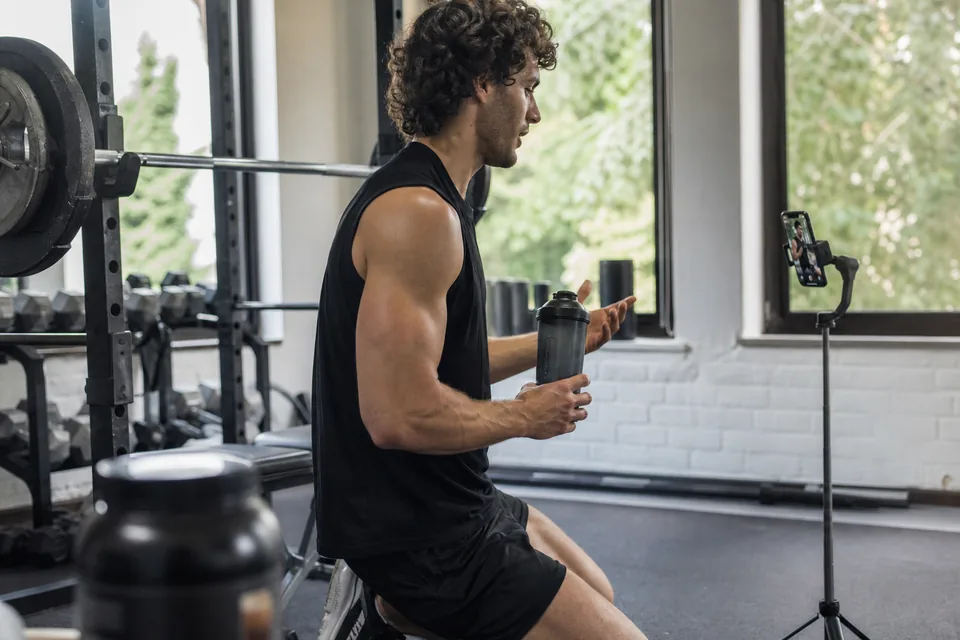
Micro influencer rates for creators with 10k to 100k followers commonly run from about $100 to $500 per Instagram post, with smaller accounts often working for free product or $50 to $150. TikTok is usually similar, and YouTube costs more per video because the content takes longer to make.
Those figures are rules of thumb, not a price list. Ask ten creators with 20k followers what they charge for a Reel and you'll get ten different answers, some sensible, some wildly optimistic, some suspiciously cheap. What you actually need is a way to reason about price: what the common benchmarks are, which factors push a rate up or down, what pricing models exist beyond a flat fee, and how much to add when you want to reuse the content in ads. That's what this guide covers. All the ranges below are widely used heuristics in the industry, useful as a starting point for negotiation, not findings from a study.
The quick benchmarks people use
The most common shortcut is a price per thousand followers. For Instagram, a frequently quoted heuristic is roughly $10 per 1,000 followers for a feed post. So a creator with 20k followers would land near $200. For TikTok, the same idea is often applied at somewhere around $5 to $15 per 1,000 followers, depending on how consistent their views are. For YouTube, people tend to think per 1,000 average views rather than followers, often $20 or more per 1,000 views for a dedicated video.
Follower-based math is crude, and it falls apart at the edges. A 12k account with brilliant engagement in a buying niche can be worth more than a 60k account full of passive followers. Still, it gives you a sane opening number. If you're unsure where the tier lines sit, our post on nano vs micro influencers explains the difference.
Rule of thumb ranges by follower count
| Follower range | Instagram feed post or Reel | Instagram story set | TikTok video | YouTube dedicated video |
|---|---|---|---|---|
| 1k to 10k (nano) | Gifting to $150 | Gifting to $75 | Gifting to $150 | $100 to $500 |
| 10k to 30k | $100 to $300 | $50 to $150 | $100 to $300 | $300 to $1,000 |
| 30k to 60k | $250 to $600 | $100 to $250 | $200 to $600 | $600 to $2,000 |
| 60k to 100k | $500 to $1,000 | $200 to $400 | $400 to $1,000 | $1,000 to $3,000 |
Treat this table as the middle of the road for US and other English-speaking markets. Rates in many other countries tend to sit lower, while creators in premium niches often sit higher.
What pushes a rate up or down
Two creators with identical follower counts can quote very different prices for good reasons. Here's what actually moves the number.
- Engagement and average views. This matters more than followers. A creator whose posts consistently reach 30 percent of their audience is worth more than one reaching 5 percent.
- Niche. Finance, B2B software, parenting and beauty creators usually charge more than general lifestyle, because their audience buys and advertisers compete for them.
- Audience location. A creator whose audience is mostly in your shipping countries is worth paying for. One whose audience is mostly elsewhere isn't, whatever the follower count says.
- Production effort. A talking-to-camera clip is cheaper to make than a styled shoot or an edited tutorial. YouTube costs more partly for this reason.
- Deliverables. Number of posts, stories, revisions, link in bio time, and whether there's a script approval round.
- Exclusivity. Asking a creator not to work with competitors for 30, 60 or 90 days has a real cost to them, so it should cost you too.
- Usage rights and whitelisting. Covered in detail below, and often the biggest hidden line in a deal.
- Timeline. Rush jobs cost extra. Flexible posting windows can earn you a discount.
Pricing models beyond a flat fee
Flat fee per post is only one option. With micro creators, the model you pick often matters more than the exact number.
Flat fee
A set price for agreed deliverables, for example one Reel and three stories for $300. It's simple and predictable, and creators like the certainty. The risk sits with you, because you pay the same whether the post sells nothing or sells out.
Gifting only
You send product, the creator posts if they like it. This is extremely common below 10k followers and occasionally above it for desirable products. Keep it honest, though. Gifting with no fee usually means no guaranteed post, and pushing for one without paying sours relationships. Our influencer gifting guide covers how to run seeding well, and the influencer gifting page shows how shipments and tracking work in the platform.
Affiliate commission
The creator gets a unique code or link and earns a percentage of the sales they drive. A commonly used range is somewhere between 10 and 20 percent of order value, sometimes higher for low-cost, high-margin products. It aligns incentives nicely, but many creators won't post on commission alone because they carry all the risk.
Hybrid (base fee plus commission)
A lower flat fee plus commission on sales. For example, $150 plus 10 percent instead of $300 flat. This is often the sweet spot for micro influencers. The creator has guaranteed income, you've halved your fixed risk, and the creators who really sell earn more than they would on a flat deal. Hybrids also give you clean data on who to rebook.
Performance bonuses
A flat fee plus a bonus if a threshold is hit, such as an extra $100 if the code drives 20 orders in 30 days. Useful when a creator doesn't want commission but you want some upside sharing.
Retainers and ambassador deals
A monthly fee for a set number of posts over three to six months. Expect a per-post discount compared with one-offs, often in the region of 15 to 30 percent as a rule of thumb, in exchange for the commitment. Repeated mentions also tend to convert better than a single post, because the audience sees the creator genuinely using the product.
Usage rights and whitelisting
This is where a lot of brands get surprised. The fee for a post covers the creator publishing it on their own account. Using that content anywhere else is a separate right.
Organic usage rights
Reposting the content on your own social accounts, website or emails. Creators commonly ask for an extra 20 to 50 percent of the base fee for a set period, often 30 to 90 days. Some include light organic reposting for free, but get it in writing.
Paid usage rights
Running the content as an ad from your own brand account. Because it can reach far more people than the original post, rates are higher. A widely used heuristic is 30 to 100 percent of the base fee per month of usage, with longer terms and perpetual rights priced well above that.
Whitelisting (also called creator licensing or spark-style ads)
You run ads through the creator's handle, so the ad appears to come from them. It usually performs better than brand-handle ads because it looks native. Creators typically charge a monthly fee on top, frequently in a similar range to paid usage, since it uses their identity and affects how their audience sees them.
Always specify platform, duration, territory and whether edits are allowed. Vague usage clauses are where disputes start.
Worked example, building a quarterly budget
Here's a hypothetical budget for a coffee brand selling online in the US, working with micro creators across Instagram and TikTok.
- Seeding wave. 40 creators between 3k and 12k followers get a gift box worth $35 at cost including shipping. That's $1,400. Say 15 post, which is a realistic share for unpaid seeding.
- Paid tier. 12 creators between 15k and 50k followers on a hybrid deal of $200 plus 12 percent commission. Fixed fees are $2,400.
- Commission. Suppose the paid tier drives 180 orders at $40 average, so $7,200 in sales and $864 in commission.
- Usage rights. The three best-performing videos get 60 days of paid usage at 50 percent of base fee, $100 each, so $300.
Total creator spend is roughly $4,964 for $7,200 in tracked sales from the paid tier, plus whatever the seeded posts drive. Those numbers are invented to show the math, not a forecast. The useful part is the structure: seed widely and cheaply, pay a smaller group on a hybrid, and buy usage only for proven content. Tracking codes per creator, like the approach in our guide to tracking influencer sales in Shopify, is what makes the rebooking decision easy next quarter.
How to negotiate without lowballing
- Ask for their rate first. Many micro creators quote below what you'd have offered, and anchoring low can insult those who don't.
- Ask for recent results. Average views or reach on the last 10 posts and audience location screenshots. This justifies any number.
- Trade, don't squeeze. If the quote is above budget, offer a hybrid, a longer posting window, fewer deliverables or a multi-post deal rather than just a lower number.
- Be specific in the brief. Clear deliverables, dates, usage terms and approval steps prevent scope creep and the awkward extra invoice.
- Pay on time. Reliable, fast payment is the cheapest way to get better rates next time. Creators talk, and good payers get priority.
If you're messaging a lot of creators, a solid first message helps. Keep it short, mention a post of theirs you liked, and state the offer and deliverables up front.
Instagram, TikTok and YouTube, platform by platform
Reels are now the main paid format, with stories commonly added as a bundle. Story sets with a link sticker are good for driving clicks and are usually priced at roughly a third to a half of a Reel. Carousels can work well for product detail. If you're focused on this channel, see how we filter Instagram micro influencers by engagement and audience location.
TikTok
Follower count is a weaker signal here because reach depends heavily on each video. Look at median views over the last 10 to 15 videos and price off that. A creator with 15k followers and steady 20k views can reasonably charge more than one with 50k followers and 3k views. Browse TikTok micro influencers by view consistency rather than follower count alone.
YouTube
Expect higher fees and longer timelines. Dedicated videos cost more than an integration (a 60 to 90 second mention inside a regular video), which is often priced at roughly a third to half of a dedicated video. The upside is longevity, since YouTube videos keep getting search traffic for months.
Where a platform helps with pricing
Rates are easier to set when you can see engagement, audience country and past results side by side. In MicroInfluencer you can filter creators by follower range and engagement, negotiate inside the thread, attach contracts with usage terms, generate codes and links, see attributed orders from your store and pay creators in one batch. Platform fees on creator payouts are 10, 7 or 5 percent depending on plan, listed on the pricing page.
Frequently asked questions
How much should I pay a micro influencer per post?
A common starting point is about $100 to $500 per Instagram or TikTok post for creators with 10k to 100k followers. Adjust for engagement, niche, audience location and usage rights rather than follower count alone.
Is $10 per 1,000 followers a fair Instagram rate?
It's a reasonable rule of thumb for a feed post or Reel, but not a fixed price. Creators with strong engagement or a high-value niche often charge more, while accounts with weak reach should charge less.
Do micro influencers work for free product?
Many nano and smaller micro creators accept gifting, especially for products they genuinely want. Gifting alone usually doesn't guarantee a post, so pay a fee when you need specific deliverables or dates.
What commission should I offer influencers?
Somewhere between 10 and 20 percent of order value is a commonly used range. Pair it with a small base fee if you want creators to commit to a post, since commission alone puts all the risk on them.
Should usage rights cost extra?
Yes, usage rights are almost always priced separately from the post itself. Organic reposting commonly adds 20 to 50 percent, and paid ad usage or whitelisting typically costs more per month.
Why are YouTube influencer rates higher?
YouTube videos take longer to script, film and edit, and they keep drawing views for months. That longer life and higher effort justify a higher fee per video than a short-form post.