Use cases
Micro influencer use cases for brands and agencies
Brands and agencies use MicroInfluencer in five main ways: launching in a new country, running an always-on affiliate program, managing many client brands, buying UGC videos at a fixed price, and finding creators in one city. Each scenario below shows how the platform handles it, step by step.

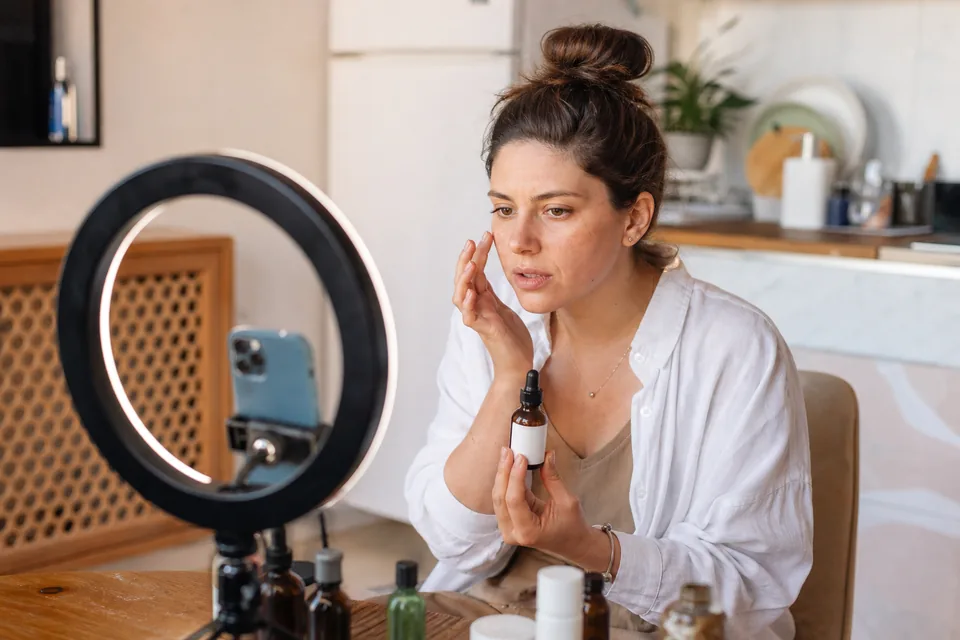
DTC brand, new country
A skincare brand launches in a new country with 40 micro creators
The situation
A direct to consumer skincare brand starts shipping to a new country. Nobody there knows the brand, paid ads are expensive while the pixel has no history, and the team has no local contacts among creators.
How it runs on MicroInfluencer
- 01Searches creators with 1k to 100k followers whose audience is mostly in the new country, filtered by beauty and skincare niche and engagement.
- 02Runs Campaign Autopilot with a total budget, a maximum rate per creator and a target of 40 creators, and approves the shortlist.
- 03Pays each creator a small fixed fee on approval plus a commission on sales through their unique code and link.
- 04Collects shipping addresses through the platform and starts every post deadline on delivery.
- 05Reads revenue, cost per sale and ROAS per creator, and rebooks the top performers for the next month.
Plan that fits. Growth, for the Autopilot, store order sync and the ROI ranking.
Read more about AI influencer marketing with Campaign Autopilot
Shopify store, always on
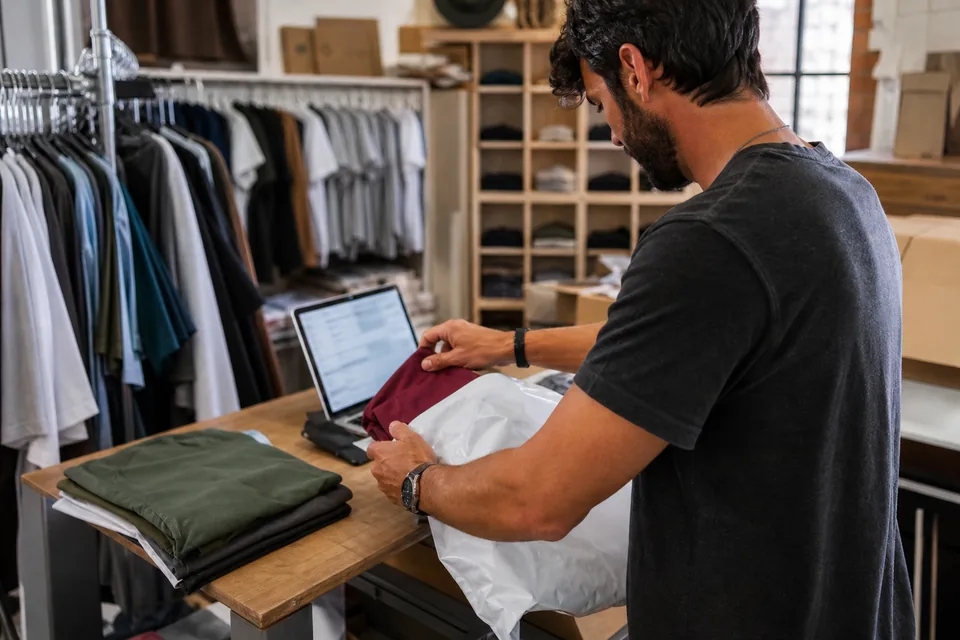
A Shopify store runs an always-on affiliate program with unique codes
The situation
An apparel store wants creators mentioning its products every month, not only during launches. It prefers paying for sales over paying for posts, and it needs to know which creators actually sell.
How it runs on MicroInfluencer
- 01Connects the Shopify store so orders sync and are matched to creator codes and links.
- 02Gives each creator in the roster a permanent discount code and tracked link with a commission rate in the agreement.
- 03Ships new collections to the whole roster and tracks delivery per creator.
- 04Approves one monthly payout list that totals commission on attributed orders for every creator.
- 05Moves creators who stop selling out of the roster and invites lookalikes of the best sellers.
Plan that fits. Growth, for Shopify and WooCommerce order sync, the CRM and the ROI ranking.
Agency, many brands
An agency manages creator programs for 12 client brands
The situation
A performance agency runs creator campaigns for a dozen brands. Each client wants its own report, account managers need access to some brands and not others, and creators must never be confused between clients.
How it runs on MicroInfluencer
- 01Creates a brand workspace per client, with members and roles set per workspace.
- 02Signs the team in with single sign-on and keeps an audit log of payout approvals, exports and role changes.
- 03Runs campaigns and Autopilot runs per client, inside each client budget.
- 04Sends each client a white-label PDF report with posts, sales and cost per sale per creator.
- 05Exports data by CSV or the API into the agency reporting stack.
Plan that fits. Agency, for 10 brand workspaces, 20 seats, roles, SSO, audit log and white-label reports. Above 10 client brands, the agency opens a second workspace on its own Agency plan.

App company, UGC
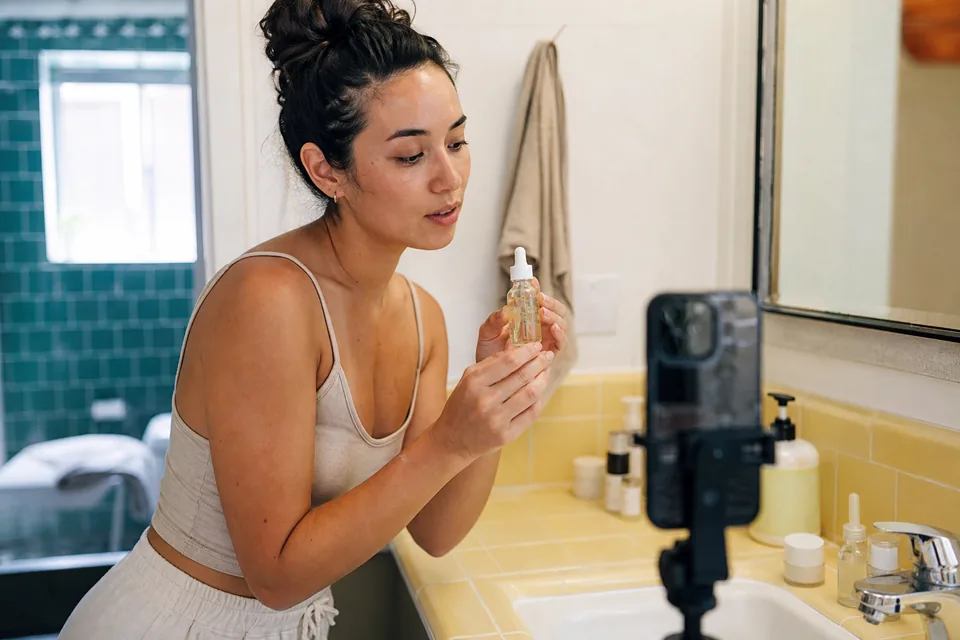
An app company buys UGC and organic posts at a fixed cost per video
The situation
A budgeting app needs a steady flow of short videos for paid social. Ads wear out within weeks, so it wants many creators and hooks, with clear usage rights and a predictable cost per video.
How it runs on MicroInfluencer
- 01Publishes a UGC brief with the number of videos, hooks to test, length, usage rights and revision rounds.
- 02Accepts creator applications at a fixed price per video, signed in an e-sign agreement.
- 03Asks some creators for an organic post as well, tracked with a link to the app download page.
- 04Reviews files in the content library, requests revisions in the same thread and pays on approval.
- 05Rebooks the creators whose videos perform best in ads.
Plan that fits. Starter for one campaign of up to 15 creators, or Growth for 5 campaigns of up to 75 creators each.
Local brand, one city
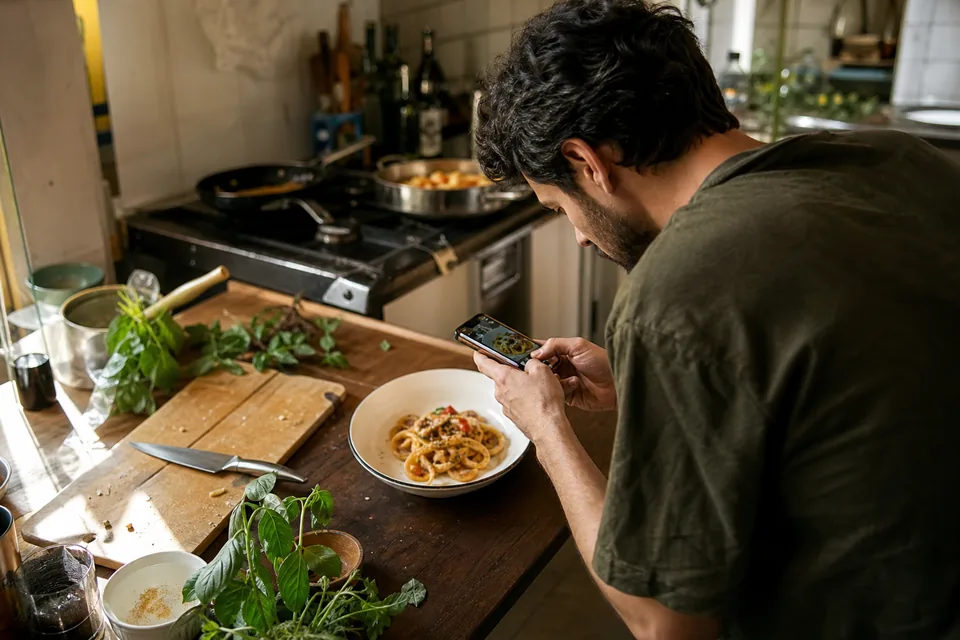
A restaurant group finds creators in one city
The situation
A restaurant group opens a new location. It wants local food creators to visit in the first weeks, but most of its followers on social media live elsewhere, and large food accounts have audiences all over the country.
How it runs on MicroInfluencer
- 01Filters creators by city and by audience country, so both the creator and most followers are local.
- 02Invites creators to a tasting with a fixed fee per post and a unique code for a first visit offer.
- 03Tracks Reels, Stories and feed posts on one board, with disclosure required in every agreement.
- 04Counts redemptions of each creator code to see which creators brought guests.
- 05Pays creators from the platform and keeps the best ones for the next opening.
Plan that fits. Starter is enough for one location and up to 15 creators at a time.
Plans by use case
Which plan matches which scenario
| Scenario | Plan | Why |
|---|---|---|
| Country launch with 40 creators | Growth | Autopilot runs, campaigns of up to 75 creators, store sync |
| Always-on affiliate program | Growth | Order sync, ROI ranking, CRM, 7 percent payout fee |
| Agency with many brands | Agency | Brand workspaces, roles, SSO, audit log, white-label reports |
| UGC for an app | Starter or Growth | Fixed price briefs, content library, payouts |
| Local creators in one city | Starter | City and audience filters, codes, one campaign at a time |
Starter is 49 USD a month billed yearly, Growth 199 USD and Agency 499 USD. All limits are on the pricing page.
Find the micro creators for your own scenario
Describe your product, pick a country and niche, and see matching creators in seconds.
Describe your product and see matching micro creators in seconds.
Find My Creators