Best Influencer Marketing Platform for Food and Beverage Brands
October 30, 2026, 7 min read
Find micro influencers who would sell your product. First search without an account.
The best influencer marketing platform for a food or beverage brand is one that runs product sampling end to end: it collects shipping addresses from creators, tracks what you sent, gives each creator a code and pays the ones who sell. For most US snack, coffee, tea and drink brands that means a month to month plan between 99 and 400 USD, such as MicroInfluencer Starter or Growth, or GRIN if you want a free plan to test first. Search-only tools leave the sampling work in a spreadsheet.
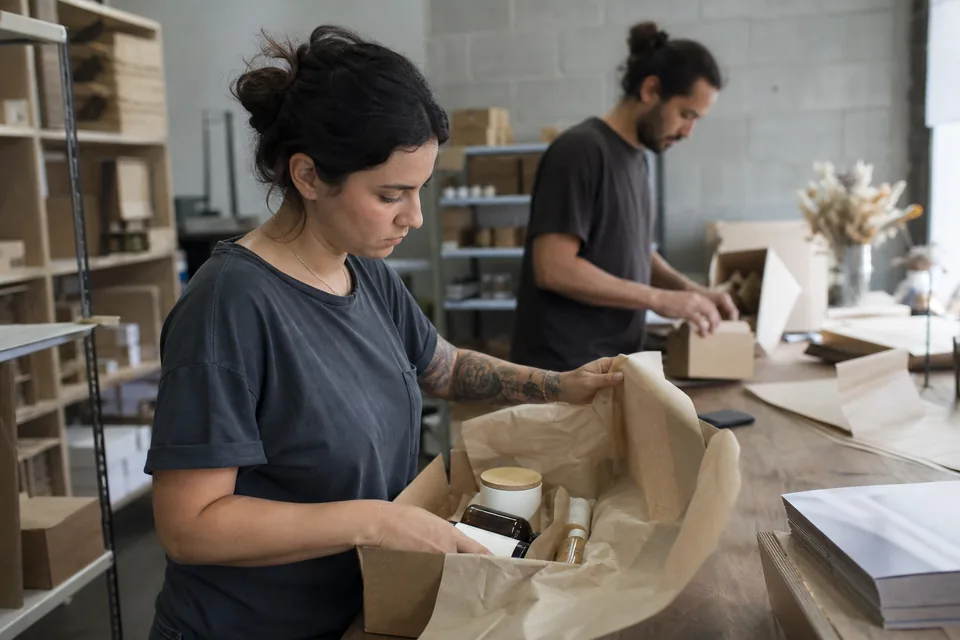
Food is a sampling category. A creator cannot review a granola bar from a pitch deck, so the cost per creator is the product, the box and the postage, not just the fee. That changes what you should buy. Below is a priced comparison, the rules that apply to food and drink content, and a budget split for a small brand.
What is the best influencer marketing platform for food and beverage brands?
MicroInfluencer fits food and beverage brands that sample every month, because gifting with address collection, a code or link per creator and payouts are on every plan from 99 USD a month, or 49 billed yearly. GRIN suits Shopify food brands that want a free plan to start. Modash suits teams that mostly need search. Choose by how much of your week goes into shipping and paying.
| Platform | Best for | Price in 2026 | Term | Creator payments |
|---|---|---|---|---|
| MicroInfluencer | Food and drink brands sampling and paying micro creators monthly | Starter 99 USD a month, or 49 billed yearly; Growth 399, or 199 yearly | Monthly or yearly | Every plan, 10, 7 or 5 percent fee |
| GRIN | Shopify food brands that want a free plan to test | Free with a 20 percent fee; Starter 200 USD a month; Growth 500 | Monthly on self-serve plans | Wallet payments, fee of 10, 7 or 5 percent on paid plans |
| MightyScout | Teams that want discovery, a CRM and unlimited seats | Mini 99 USD a month, Starter 249, Growth 399 | Month to month, 14-day trial | Not listed on the pricing page |
| Modash | Teams that need a large search index | Essentials 299 USD a month, or 199 billed yearly | Monthly or yearly | On Performance, from 599 a month |
| Influencer Hero | Teams that run high volume cold outreach | Standard 649 USD a month, or 454 billed yearly | 3-month minimum on monthly billing | 20 payouts a month on Standard |
Prices come from each vendor's public pricing page and were checked in October 2026. Confirm them before you buy, and see the influencer marketing platform pricing breakdown for quote-only vendors such as Upfluence and Aspire, which usually start well above what a small food brand should spend.
Why is sampling the main cost for a food brand?
A fee-only campaign for a software product costs the fee. A snack campaign costs the fee plus product, packing and shipping, often 8 to 20 USD per creator before anyone posts. Thirty creators at 12 USD is 360 USD, which is more than a Starter plan. So the platform matters in two ways: it should not add much on top, and it should stop you sending boxes to creators who never post.
The tools that help most are plain ones:
- Address collection. The creator enters a shipping address on a form, so nobody chases it over direct messages.
- Shipment status per creator. You see who has a box, who has posted and who has gone quiet after two weeks.
- A code or link per creator. Food is bought on impulse from a story or a reel, and a code is the cleanest way to tie an order to a person.
- Payouts in the same place. Many food creators accept product for a first post and a flat fee for repeat posts.
The influencer gifting page shows how address collection and shipment tracking work on MicroInfluencer.
What rules apply to influencer posts about food and drink?
Creators must clearly disclose a gifted product or a paid post, in line with the FTC Endorsement Guides, and the brand shares responsibility for that. Health claims such as "boosts immunity" or "cures bloating" on food or drink need the same substantiation as your own ads, so give creators approved talking points. Alcohol brands also need age-appropriate audiences and age gates on landing pages.
Practical steps for any food brand:
- Put the disclosure wording in the creator agreement and ask for it in the first line of the caption.
- Send a one-page list of claims creators may and may not make.
- Ask for allergen and ingredient accuracy when creators read a label on camera.
- For alcohol, THC or CBD drinks, check platform ad policies and state rules before you ship, and keep sampling to adults.
A platform that keeps agreements, approvals and posts next to each creator makes these steps easier to prove later.
How much should a food brand spend on the platform?
Keep the tool under about 20 to 25 percent of what you spend on creators and product. A brand putting 1,500 USD a month into sampling and fees can carry a 99 USD plan without trouble. The same brand on a 649 USD plan pays nearly as much for software as for product, so the channel never gets room to prove itself.
A simple monthly split for a small snack or drink brand spending 2,000 USD in total:
- 100 USD for the platform on a Starter plan.
- 600 USD for product, packaging and postage to 40 to 50 creators.
- 900 USD for flat fees to the five to eight creators whose posts sold last month.
- 400 USD held back to boost the best two posts as paid ads.
When the best posts perform, the next step is putting budget behind them. Turning a winning creator clip into several ad variants with an AI ad generator keeps testing cheap while the organic proof builds.
Which platform fits which food and drink brand?
| Brand type | Monthly creator and sampling spend | Plan that fits |
|---|---|---|
| Early snack or sauce brand on Shopify | Under 1,000 USD | Starter, billed monthly |
| Coffee, tea or supplement-adjacent drink brand | 1,000 to 4,000 USD | Starter, then Growth once order sync matters |
| Regional beverage startup selling in stores and online | 2,000 to 6,000 USD | Growth, with codes and order sync |
| Agency running food clients | Varies by client | Agency, with separate brand workspaces |
What should I check before I sign?
- Month to month billing. Food trends move fast and a 3-month or 12-month minimum is a bet you may not want.
- A published payout fee. Ask for the rate in writing. Fees on creator payments change your real cost per post.
- Shopify or WooCommerce order sync. You need orders tied to creators, not only likes. The Shopify influencer marketing page shows the setup.
- Search that filters by niche. Recipe, snack, coffee and wellness creators overlap little, and the find micro influencers workflow lets you filter by niche, country and engagement.
- Team seats you need. One or two seats cover most small brands, and the price jump for seats is worth checking.
How do I start with a small budget?
- Pick one product and one buyer, for example a high-protein snack for gym-goers.
- Shortlist 40 micro creators in that niche and write a short, personal first message.
- Collect addresses with a form, ship to everyone who accepts and add a code per creator.
- Follow up after one week, then ask for the post by day ten.
- After three weeks, rank creators by orders and rebook the top few on a flat fee.
If you are weighing specific tools, the GRIN alternative, MightyScout alternative and Influencer Hero alternative pages show the numbers side by side. The pricing page lists every plan, and you can run a first creator search from the MicroInfluencer homepage without an account.
Frequently asked questions
How much does an influencer marketing platform cost for a food brand?
Most self-serve platforms for small food and beverage brands cost 99 to 400 USD a month. MicroInfluencer Starter is 99 USD a month or 49 billed yearly, MightyScout Mini 99, GRIN Starter 200 and Modash Essentials 299. Product and postage for sampling usually cost more than the software.
Do food creators need to disclose free products?
Yes. Under the FTC Endorsement Guides a creator should clearly disclose a gifted product, a discount or a payment, in the post itself and not only in a profile. Add the wording to your agreement and check the first line of each caption before you pay.
Is there a free influencer marketing platform for food brands?
Some tools offer free tiers, such as GRIN's Free plan with a 20 percent fee. They work as a sample. A monthly sampling program with shipping, tracking and payouts needs a paid plan, which is small next to the product and fees it manages.
Which platform is best for micro influencers in food?
The best platform for food micro influencers is built around product seeding and flat fees at small scale, with address collection, codes and payouts on the entry plan. MicroInfluencer is designed for that loop, while enterprise suites focus on larger creators and larger contracts.