Best Influencer Marketing Platform for Skincare Brands
October 31, 2026, 6 min read
Find micro influencers who would sell your product. First search without an account.
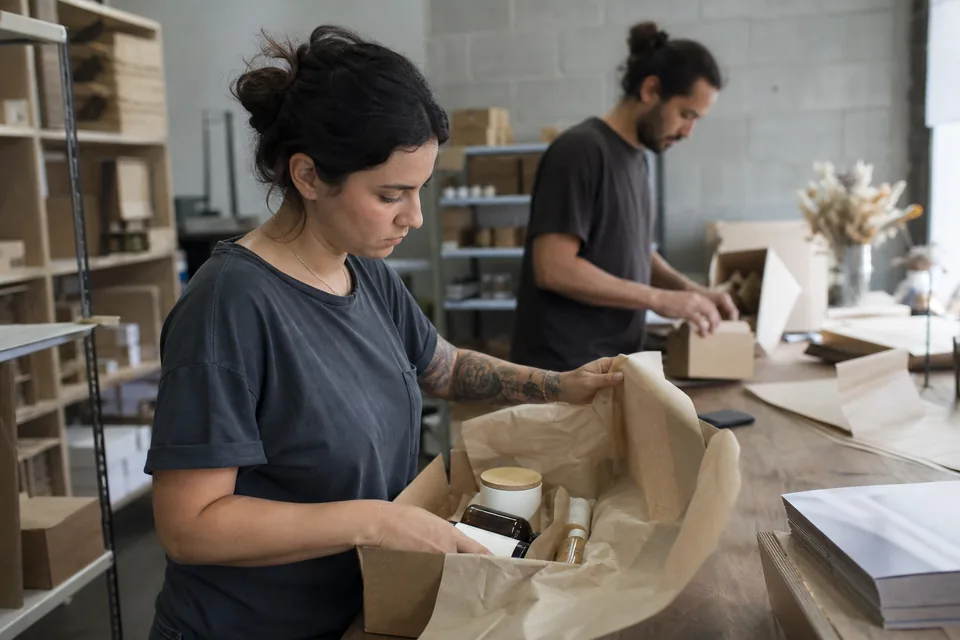
The best influencer marketing platform for a skincare brand is one that runs sampling end to end and keeps claims under control: it collects shipping addresses, tracks what was sent, gives each creator a code, stores the agreement and pays the creators who sell. For most US skincare brands working with micro creators, MicroInfluencer fits that job from 99 USD a month, or 49 billed yearly, with no annual contract.
Skincare is a trust category. A creator who shows eight weeks of use on their own skin sells more than a polished ad, and a creator who says a cream "heals eczema" can put the brand in front of a regulator. The platform you pick should make the first easy and the second hard. Below is a priced comparison, the rules that apply, and a budget split for a small brand.
What is the best influencer marketing platform for skincare brands?
MicroInfluencer fits skincare brands that send product every month, because gifting with address collection, a code or link per creator, approvals and payouts are on every plan. GRIN suits Shopify brands that want a free plan to start. Modash suits teams that mainly need a large search index. Aspire and Upfluence sell by quote, usually on annual terms.
| Platform | Best for | Price in 2026 | Term | Creator payments |
|---|---|---|---|---|
| MicroInfluencer | Skincare brands sampling and paying micro creators monthly | Starter 99 USD a month, or 49 billed yearly; Growth 399, or 199 yearly | Monthly or yearly | Every plan, 10, 7 or 5 percent fee |
| GRIN | Shopify brands that want a free plan to test | Free with a 20 percent fee; Starter 200 USD a month; Growth 500 | Monthly on self-serve plans | Wallet payments, fee of 10, 7 or 5 percent on paid plans |
| Modash | Teams that need a large search index | Essentials 299 USD a month, or 199 billed yearly | Monthly or yearly | On Performance, from 599 a month |
| Upfluence | Brands with a team and a larger budget | Quote, reported from about 400 USD per module plus seats | 12-month contract reported | Via a payments module |
| Aspire | Large beauty brands that want managed services | Quote, reported near 2,000 USD a month | 12-month contract reported | Inside the platform |
Self-serve prices come from public pricing pages checked in October 2026. Quote-only figures are reported ranges, so ask for a written quote. The influencer marketing platform pricing breakdown covers the quote-only vendors in detail.
Why do micro creators work well for skincare?
Skincare buyers look for someone with the same skin concern, not the biggest audience. A creator with 15,000 followers who talks about sensitive skin or acne scars has a comment section full of people asking what she uses. That is the buying signal. Large accounts reach more people but match fewer of them, and their fees are many times higher.
The practical consequence is volume. You will brief 30 to 60 creators across several skin types, and you need a record of who got which product, who posted and who sold. A spreadsheet works for a week and then it does not. The influencer gifting page shows how address collection and shipment tracking work on MicroInfluencer.
What claim rules apply to skincare influencer posts?
Creators must clearly disclose a gifted product or a paid post under the FTC Endorsement Guides, and the brand shares responsibility for what creators say. Claims matter as much. In the US, a product that claims to treat or prevent a disease, or to change how the skin works, can be treated as a drug rather than a cosmetic, so wording like "heals eczema" or "cures acne" is a problem for the brand and the creator.
Practical steps for any skincare brand:
- Put the disclosure wording in the creator agreement and ask for it in the first line of the caption.
- Send a one-page list of approved claims, such as "hydrating" or "my skin feels calmer", and a list of words to avoid.
- Ask creators to show their own results and not to promise results for others.
- Keep the approved script and the final post together, so you can show what was agreed.
A platform that keeps agreements, approvals and posts next to each creator makes this easy to prove later, which is worth more than an extra search filter.
How much should a skincare brand spend on the platform?
Keep the tool under about 20 to 25 percent of what you spend on creators and product. A brand putting 1,500 USD a month into sampling and fees can carry a 99 USD plan without trouble. The same brand on a 2,000 USD a month quote pays more for software than for creators.
A simple monthly split for a small skincare brand spending 2,500 USD in total:
- 100 USD for the platform on a Starter plan.
- 700 USD for product, packaging and postage to 30 to 40 creators.
- 1,200 USD for flat fees to the five to eight creators whose posts sold last month.
- 500 USD held back to put paid budget behind the two best posts.
Once a creator post proves it sells, a competitor will often copy the angle within weeks. Watching rival launches, prices and ads with a competitor monitoring tool tells you when to refresh your own briefs.
Which platform fits which skincare brand?
| Brand type | Monthly creator and sampling spend | Plan that fits |
|---|---|---|
| New serum or cleanser brand on Shopify | Under 1,500 USD | Starter, billed monthly |
| Established line with several products | 1,500 to 5,000 USD | Starter, then Growth once order sync matters |
| Brand selling at retail and online | 3,000 to 8,000 USD | Growth, with codes and order sync |
| Agency running beauty clients | Varies by client | Agency, with separate brand workspaces |
What should I check before I sign?
- Month to month billing. Beauty trends move quickly, and a 12-month minimum is a bet you may not want.
- A published payout fee. Ask for the rate in writing, since it changes your real cost per post.
- Order sync. You need orders tied to creators, not only likes. The Shopify influencer marketing page shows the setup.
- Niche filters. Acne, sensitive skin, mature skin and men's grooming creators overlap little, and the find micro influencers workflow filters by niche, country and engagement.
- Agreement storage. You want the approved claims and the disclosure wording saved with each creator.
How do I start with a small budget?
- Pick one hero product and one skin concern, for example a barrier cream for dry, sensitive skin.
- Shortlist 40 micro creators who talk about that concern and write a short, personal first message.
- Collect addresses with a form, ship to everyone who accepts and add a code per creator.
- Ask for the post after two to three weeks of use, since skincare results take time.
- After a month, rank creators by orders and rebook the top few on a flat fee.
If you are weighing specific tools, the Aspire alternative, GRIN alternative and Upfluence alternative pages show the first-year numbers side by side.
Frequently asked questions
How much does an influencer marketing platform cost for a skincare brand?
Self-serve platforms for small skincare brands cost 99 to 400 USD a month. MicroInfluencer Starter is 99 USD a month or 49 billed yearly, GRIN Starter 200 and Modash Essentials 299. Quote-based suites such as Aspire are reported near 2,000 USD a month on annual contracts. Product and postage usually cost more than the software.
Do skincare creators need to disclose free products?
Yes. Under the FTC Endorsement Guides a creator should clearly disclose a gifted product, a discount or a payment, in the post itself and not only in a profile. Add the wording to your agreement and check the first line of each caption before you pay.
Can a skincare creator make medical claims?
No. Words that say a product treats, cures or prevents a condition can turn a cosmetic into a drug claim. Give creators a list of approved wording, ask them to describe their own experience, and keep the approved script with the final post.
Which platform is best for micro influencers in skincare?
The best platform for skincare micro influencers is built around product seeding and flat fees at small scale, with address collection, codes, agreement storage and payouts on the entry plan. MicroInfluencer is designed for that loop, while enterprise suites focus on larger creators and annual contracts.